GROW
Green. Responsible. Open. Well-Governed.
The GROW philosophy reflects our commitment to building a resilient and future-ready institution by:
Green
Reducing our environmental footprint, managing climate-related risks and supporting the transition to a low-carbon economy.
Responsible
Financing sustainable growth through responsible banking practices, sustainable finance solutions and robust environmental and social risk management.
Open
Fostering a diverse, equitable and inclusive workplace where people can grow, contribute and thrive.
Well-Governed
Upholding the highest standards of ethics, transparency, accountability and responsible corporate governance.
Together, these pillars guide our sustainability strategy and shape the way we create value for our stakeholders.
Committed to achieve carbon-neutral status from own operations by FY 2033-34
Our sustainability efforts contribute to the following UN SDGs:

SDG 1 No Poverty | SDG 3 Good Health & Well-being | SDG 4 Quality Education | SDG 5 Gender Equality | SDG 7 Affordable & Clean Energy | SDG 8 Decent Work & Economic Growth | SDG 9 Industry, Innovation & Infrastructure | SDG 10 Reduced Inequalities | SDG 12 Responsible Consumption & Production | SDG 13 Climate Action | SDG 15 Life on Land | SDG 16 Peace, Justice & Strong Institutions | SDG 17 Partnerships for the Goals
Reports, Policies & Key Disclosures
Report Archive
Contact Us
For sustainability-related queries or feedback:
Email:
Postal Address:
The ESMS Officer,
RBL Bank Ltd, 6th Floor, Tower 2B,
One World Center, 841,
Senapati Bapat Marg, Lower Parel (West),
Mumbai - 400013, Maharashtra, India
GREEN
SDG 7 Affordable & Clean Energy | SDG 12 Responsible Consumption & Production | SDG 13 Climate Action | SDG 15 Life on Land
Protecting the Environment. Enabling a Low-Carbon Future.
At RBL Bank, we recognise that environmental sustainability is fundamental to long-term economic resilience and responsible banking. Through climate-conscious operations, sustainable financing and biodiversity protection, we continue to reduce our environmental footprint while supporting India's transition towards a low-carbon economy.
Committed to achieve carbon-neutral status from own operations by FY 2033-34
Accelerating Climate Action
Climate change presents both risks and opportunities for financial institutions. We are strengthening climate resilience across our operations and lending portfolios by integrating climate considerations into risk management, financing decisions and stakeholder engagement. Our climate-related governance, risk management and disclosure practices are aligned with the recommendations of the TCFD framework, and we continue to strengthen our reporting in line with evolving global standards.
Our approach includes:
Climate risk assessment integrated into lending processes
Monitoring of high-carbon sector exposures
Responsible transition financing
Support for climate-resilient businesses and infrastructure
Supporting a Just Transition: As part of our climate strategy, the Bank continues to enhance oversight of carbon-intensive sectors through risk-based portfolio monitoring, climate assessment and responsible transition financing.

Recognising the critical role of the financial sector in addressing climate change, RBL Bank is advancing its journey towards net zero through operational decarbonisation, renewable energy adoption and responsible financing.
Our approach is built around two priorities:
Decarbonising Operations
Increasing renewable energy consumption
Improving energy efficiency across facilities
Reducing operational emissions
Managing Climate Risks
Integrating climate considerations into lending decisions
Monitoring carbon-intensive sectors
Strengthening climate risk assessment and governance
Net Zero Targets
Net Zero Operational Emissions by FY 2033-34
We continue to improve the environmental performance of our operations through renewable energy adoption, energy efficiency initiatives, green building certifications and resource conservation.
Key Highlights FY26:
11 % Renewable Energy Consumption
319 MWh Solar Energy Generated powering 23 Branches
1856 tCO₂e Emissions Avoided
56% Green Certified Offices as a % of total offices
Financing the Transition
As a responsible financial institution, we actively support environmentally sustainable projects and businesses that contribute to decarbonisation, resource efficiency and climate resilience.
Green Finance Portfolio
INR 6,299 Cr Green Finance Portfolio
INR 5,969 Cr Renewable Energy Financing (part of Green Finance Portfolio)
Focus sectors include renewable energy, green buildings, electric mobility, sustainable agriculture and energy efficiency.
Biodiversity conservation forms an important part of our Environmental and Social Risk Management Framework.
Through our exclusion framework, we do not support activities that may have significant adverse impacts on ecologically sensitive areas, biodiversity-rich habitats or protected ecosystems
Project Vaneekaran Growing Green Communities
Through Project Vaneekaran, RBL Bank contributes towards ecological restoration and community-led environmental stewardship through plantation initiatives
The initiative supports:
Afforestation and green cover enhancement
Biodiversity conservation
Climate resilience
Community participation and environmental awareness
8,000 Trees Planted Under Project Vaneekaran
RESPONSIBLE
SDG 1 No Poverty | SDG 4 Quality Education | SDG 8 Decent Work & Economic Growth | SDG 9 Industry, Innovation & Infrastructure | SDG 17 Partnerships for the Goals
Financing Growth Responsibly. Creating Shared Value.
At RBL Bank, responsibility extends beyond financial performance. We are committed to enabling sustainable economic growth through responsible banking practices, sustainable finance solutions, financial inclusion and community development initiatives.
Financing Sustainable Growth
RBL Bank supports India's sustainable and inclusive growth agenda through a combination of Priority Sector Lending (PSL) and Sustainable Finance solutions. We finance sectors that drive economic development, financial inclusion and environmental sustainability, while integrating ESG considerations into our lending decisions.
Our Focus Areas:
Priority Sector Lending
Agriculture and allied activities
MSMEs
Affordable housing
Financial inclusion
Green Finance
Renewable energy projects
Electric mobility and EV infrastructure
Sustainable agriculture
Green buildings and energy-efficient infrastructure
Through responsible financing and robust environmental and social risk management practices, we support India's transition towards a more sustainable, resilient and low-carbon economy.
Responsible banking requires responsible decision-making.
Our Environmental and Social Management System (ESMS), aligned with IFC Performance Standards, helps identify, assess and manage environmental and social risks associated with financing activities.
Our Approach
IFC-aligned exclusion framework
Environmental and social due diligence
Climate risk screening
Sector-specific risk reviews
Coal financing restrictions
Portfolio monitoring and governance oversight
We believe that financial empowerment is essential for inclusive growth.
Through financial literacy programmes, awareness campaigns and community engagement initiatives, we work towards improving financial awareness and enhancing access to responsible financial services for underserved communities.
Key themes include:
Digital banking awareness
Personal financial management
Responsible borrowing
Financial inclusion for underserved groups
Total Number of beneficiaries: 2,44,730 (Digitally) and 5,875 (through Branches)
Strengthening Communities Through CSR
Our Corporate Social Responsibility programmes focus on creating meaningful and measurable impact across education, health, livelihood enhancement, environmental sustainability and community development.
OPEN
SDG 3 Good Health & Well-being | SDG 5 Gender Equality | SDG 8 Decent Work & Economic Growth SDG 10 Reduced Inequalities
Diverse. Inclusive. Empowering.
An inclusive workplace is central to our GROW philosophy. We are committed to creating an environment where individuals from diverse backgrounds feel respected, supported and empowered to realise their full potential.
We believe that diversity strengthens innovation, enriches perspectives and improves organisational resilience.
Our focus areas include:
Gender diversity
Inclusive hiring
Leadership development
Employee wellbeing
Accessibility and inclusion
Equitable workplace practices
Diversity Highlights FY26:
22 % Women Workforce (Total)
25 % Women in Leadership Roles
24 Employees with Disabilities Across the Workforce
We continue to strengthen female participation across the organisation through targeted initiatives and leadership development programmes.
Key Programmes
2X Challenge: Focused on increasing women's participation and representation across the workforce.
RETAKE Programme: Supporting experienced women professionals returning to the workplace after career breaks.
Women Leadership Development (WLDP): Building future-ready women leaders through structured development and mentoring interventions.
Inclusion goes beyond representation.
We continue to strengthen workplace policies, awareness programmes and employee engagement initiatives that foster respect, belonging and equal opportunity for all employees.
Our initiatives include:
Diversity sensitisation programmes
Inclusive workplace policies
Leadership accountability
Employee wellbeing initiatives
WELL-GOVERNED
SDG 13 Climate Action | SDG 16 Peace, Justice & Strong Institutions | SDG 17 Partnerships for the Goals
Strong Governance. Sustainable Outcomes.
Strong governance is the foundation of sustainable growth. At RBL Bank, sustainability oversight begins at the Board level and is embedded across management structures, policies and decision-making processes.
Governance & Oversight
Sustainability Governance Structure

Governance Highlights
Board-approved Sustainability Policy since 2013
ESG Committee established in FY16
Quarterly ESG reviews and oversight by Board
Climate risk assessment integrated into lending processes
Oversight of Net Zero strategy and climate commitments through Board and ESG Committee reviews
Integrated sustainability disclosures and reporting
Learn More
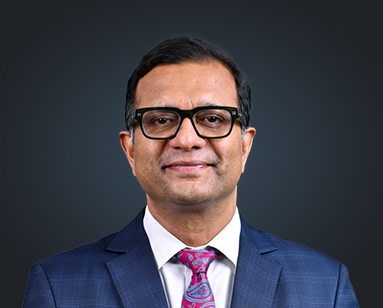
Kumar Ashish
Chairperson, ESG Committee
Message from the Chair, ESG Committee
The ESG Committee plays an important role in guiding and overseeing the Bank's sustainability journey. Through regular review and engagement, we ensure that sustainability considerations remain integrated within governance, risk management and strategic decision-making processes.
The sustainability landscape continues to evolve rapidly, particularly in areas such as climate risk, sustainable finance and stakeholder transparency. In response, the Bank continues to strengthen its frameworks, disclosures and governance mechanisms in line with emerging best practices and regulatory expectations.
Our objective is clear: to foster a culture of accountability, transparency and responsible growth that supports long-term value creation while contributing positively to society and the environment.
ESG Reports & Disclosures
Transparency and accountability remain central to our sustainability journey.
Trust & Beyond