Financial Literacy Week
Financial Literacy Week is currently being observed from February 09 to February 13, 2026 across all branches. During this week, customers and members of the public are being encouraged to learn about safe, secure, and responsible banking practices.
The focus this year is on Know Your Customer (KYC) and its role in protecting customers, preventing fraud, and ensuring smooth banking services.
Key Topics Being Covered During FLW 2026
1. Know Your Customer (KYC)
Your First Step to Safe Banking
KYC is a process used by banks to confirm the identity and address of customers. Completing and keeping KYC details updated helps ensure that bank accounts remain safe and fully operational.
Why KYC Is Important
- Confirms customer identity
- Helps prevent fraud and misuse of accounts
- Supports uninterrupted banking services
- Meets regulatory requirements
Officially Valid Documents (OVDs)
KYC is being completed using one or more of the following documents:
- Aadhaar Card
- Passport
- Voter Identity Card
- Driving Licence
- NREGA Job Card
- PAN Card (where required)
Periodic KYC Updation
- Customers are advised to update KYC details from time to time as per bank guidelines
- KYC updation is available through:
- Visiting the nearest branch
- Using digital or online banking channels (where available)
Timely KYC updation helps avoid restrictions on banking transactions.
2. Central KYC Registry (CKYC)
What Is CKYC?
The Central KYC Records Registry (CKYCR) is maintaining customer KYC records in a secure central system. This helps banks and financial institutions access verified KYC details easily.
How CKYC Is Helping Customers
- Reduces the need to submit KYC documents repeatedly
- Enables faster account opening and service delivery
- Makes KYC and re-KYC simpler across institutions
Information for Customers
- Customers are being issued a CKYC Identifier after successful registration
- CKYC status can be checked through authorised bank channels
- The CKYC Identifier can be used for KYC verification at other banks
3. Account Hygiene and Discipline
Maintaining good account habits is being emphasised during Financial Literacy Week to ensure safe banking.
Staying Safe from KYC-Related Frauds
- Customers are advised not to share OTPs, PINs, passwords, or KYC documents
- Be cautious of unknown calls, messages, emails, or links asking for KYC details
- KYC updates are carried out only through authorised bank channels
Avoiding Money Muling
- Customers should not allow anyone else to use their bank account
- Avoid accepting or transferring money for unknown persons
- Misuse of bank accounts can lead to financial loss and legal action
Why Financial Literacy Matters?
Being financially literate means more than just knowing how to save or spend - it’s about understanding how money works in your everyday life. With the right knowledge, you can make confident decisions whether you’re:
-
Opening your first bank account
-
Planning a big purchase
-
Applying for a loan
-
Navigating digital payments
It’s not just about numbers - it’s about gaining clarity, confidence, and control over your financial life. Financial awareness helps you:
-
Manage your income and expenses
-
Save for future goals
-
Use financial tools responsibly
-
Stay safe from frauds and scams
Explore Free Resources to Boost Your Financial Knowledge
NCFE E-Learning Course (E-LMS)
Build a strong foundation in personal finance with the National Centre for Financial Education (NCFE)’s free online course. Designed for learners of all ages, this self-paced course includes short, engaging modules to help you understand the essentials of managing money.
Course Highlights:
-
Duration: Around 5 hours
-
Format: 20 short modules (15–20 minutes each)
Key Modules Include:
-
Money & Transactions: Basics of handling money, banking, and digital payments
-
Financial Planning: How to budget, manage income, and set goals
-
Investments & Risk: Intro to investment types and risk-reward balance
-
Insurance & Safety Nets: Importance of financial protection
-
Retirement Planning: Why to start early and how to plan smart
-
Regulation & Consumer Protection: Know your rights and responsibilities
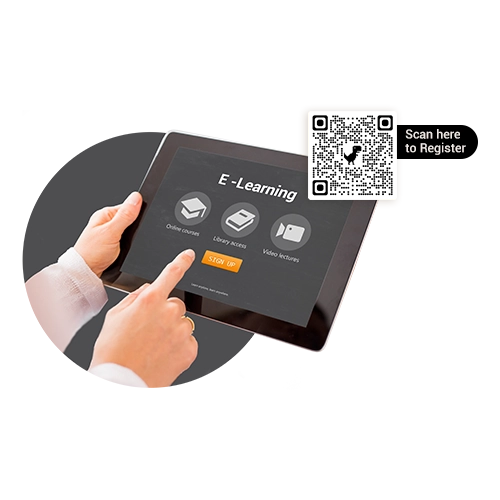
Whether you’re a student, professional, or homemaker, this course builds financial confidence at every stage.
NCFE e-Library
Want to read and learn more about money matters at your own pace? The NCFE e-Library offers a wide range of free and easy-to-understand digital booklets, guides, and resources on everyday financial topics.
What You’ll Find:
-
Guides on banking, saving, and budgeting
-
Booklets on insurance, pensions, and retirement planning
-
Resources on fraud awareness and consumer protection
-
Materials supported by trusted institutions like RBI, SEBI, IRDAI, and PFRDA
These digital resources are available anytime, so you can read and learn at your own pace - whether at home, in school, or on the go.